Commercial Waste in Penge

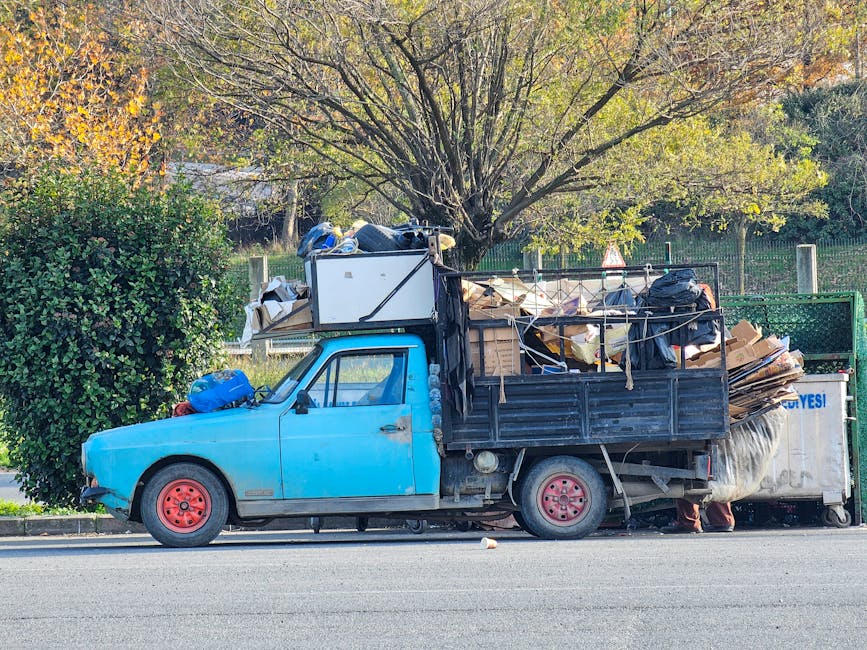
Commercial waste in Penge needs a service that is practical, orderly and suited to the way local businesses work. We remove and manage everyday business rubbish from offices, shops, workshops, hospitality premises and shared commercial spaces, with clear attention to segregation, loading and responsible disposal. The aim is straightforward: keep premises clear, reduce disruption and handle waste in a way that is consistent with the material type and the space available.
Our service covers planned collections and one-off clearances for mixed commercial waste, bulky items, office furniture, packaging, confidential paper for shredding where arranged, and other non-hazardous business waste that can be taken through the right channels. For items that need a specific disposal route, such as appliances or materials that must be separated, we can direct the load appropriately rather than treating everything as one undifferentiated collection.
Where it helps, you can request a quotation after outlining the waste type, access and approximate volume. A simple list is often enough to begin with, but the more clearly the load is described, the easier it is to match the collection to the work needed. Clear information helps the quotation stay relevant and reduces the need for guesswork later.
Business waste collections that fit working premises
Business waste removal is most useful when it fits around the way a site actually operates. Offices often need removal of desks, chairs, filing units, paper waste and packaging. Retail spaces may need display fittings, stockroom debris and broken fixtures taken away without blocking access. Light industrial and workshop premises may produce offcuts, pallets, mixed non-hazardous waste and redundant equipment that should be separated before disposal. We handle these collections as practical jobs rather than forcing them into one rigid format.
When a site has regular output, the collection plan matters as much as the load itself. Some customers need recurring removal after a refit, move, stock change or premises tidy-up, while others want a single visit for accumulated waste. Either way, the work is easier when the waste is already grouped by type, and when access points, loading areas and any building rules are explained in advance. If you are preparing details, keep them simple: what the waste is, how much there is, and where it is waiting.
What commercial loads usually include
Business waste is often mixed, but the different parts of a load still need sensible handling. Cardboard and shrink wrap may be straightforward, while broken furniture, electrical items, shelving or bagged general waste may need separate treatment. The service is intended for non-hazardous commercial rubbish and bulky items that can be collected safely. If the contents include anything unusual, it is better to note it clearly so the collection can be planned appropriately.
Office clearances for desks, chairs and paperwork

Office waste removal is usually about more than emptying a room. It can include workstation furniture, storage units, conference chairs, monitors, small electrical items, archive boxes and general paper waste. We also remove mixed office clutter during reorganisations and end-of-lease clear-outs, where the main task is to restore usable floor space without leaving a trail of scattered items behind. The focus stays on tidy removal, sensible sorting and a clean finish.
For paperwork-heavy spaces, there is often a difference between everyday office rubbish and material that needs secure handling. Confidential shredding, when arranged, is suited to records that should be destroyed before disposal. Other paper and cardboard can usually be separated for recovery if the load supports it. If you are arranging an office collection, it helps to identify whether anything requires special handling before the team arrives, rather than leaving every item mixed together.
An office clearance also benefits from a brief plan for access and priority items. Keep the items you want removed grouped together, make corridors or stairwells usable and highlight anything that should not be taken. That simple preparation saves time on site and makes it easier to remove the right things first. For many offices, a short conversation before the visit is enough to set the job up properly.
Furniture disposal and bulky items
Furniture disposal matters when a business replaces fittings, clears storage or closes down a room that no longer needs its contents. Desks, chairs, cabinets, tables, shelving and reception furniture are common examples. We also handle bulky items that are difficult to move without support, taking care to load them safely and remove them without leaving damage to circulation areas. The aim is to make the clearance manageable even when the items are awkward or heavy.
Not every furniture item can be treated in the same way. Wood, metal and mixed-material pieces may follow different recovery routes, while upholstered items and broken fittings may need separate consideration. If a unit still has contents in it, those contents should be removed first so the disposal can be organised around the actual furniture rather than around hidden extras. For businesses with multiple floors, it is worth thinking about stair access, lift use and any narrow turns that could affect removal.
A sensible approach is to sort furniture into what should go, what should stay and what may need dismantling. Clear sorting usually improves efficiency and reduces confusion when the job starts. If the items include loose glass, damaged fittings or broken fixtures, mention that too so the removal can be planned with the right handling in mind. When a room has several types of item, we can work through the load in an orderly sequence rather than rushing the clearance.
Recycling-led waste removal for mixed commercial loads
Mixed business waste often contains a blend of recoverable material and general rubbish. Packaging, paper, cardboard, metal items, clean plastic components and some furniture parts may be suitable for sorting, while other material is simply removed as waste. Recycling-led disposal is important because it gives each material the best practical route within the limits of the load. We do not treat recycling as an afterthought; it is built into how the waste is assessed and processed.
The main decision for customers is usually not whether something can be moved, but how much of it can be sensibly separated first. If waste is already grouped into distinct piles, the load can be organised more effectively. If it is mixed, a well-described collection still helps because the material can be assessed before removal. Businesses often find that a quick sort into cardboard, general rubbish, reusable fittings and special items makes the clearance easier to manage and often tidier to complete.
- Cardboard and packaging from deliveries or refits
- Metal and mixed office fittings
- Reusable or recyclable furniture components
- General commercial rubbish from day-to-day operations
About Penge

Penge is a district in south-east London within the London Borough of Bromley, historically part of Kent before being absorbed into the capital’s wider urban growth. The area is threaded by a mix of residential streets, older high-street buildings and transport corridors, with Penge East and Penge West stations providing long-standing rail links. The neighbourhood sits close to several well-known open spaces, including Crystal Palace Park to the north-west, Beckenham Place Park to the south-west and the waterway landscape of the River Pool and its tributaries further afield. Those green spaces, together with the surviving street pattern, give the area a varied character rather than a single architectural identity.
Much of Penge’s built environment reflects nineteenth and early twentieth century suburban development, when railway access encouraged growth and the district began to take on a more recognisable commercial and residential shape. The high street has long served as a local centre, with shops, services and everyday amenities arranged along the main routes. Residential side streets contain a mixture of Victorian and later housing, while pockets of modern development sit alongside older terraces and converted buildings. This layered pattern means the area feels practical and lived-in, with traces of its transport and suburban past still visible in the street layout.
Nearby Crystal Palace Park is one of the best-known landmarks associated with the district, offering open land, ornamental features and a strong sense of historical reach because of its links to the 1851 Great Exhibition. In the wider surroundings, the borough of Bromley contributes a blend of town centres, parks and suburban neighbourhoods, but Penge keeps its own identity through the rail stations, local shopping stretch and access to large open spaces. The area’s combination of modest commercial frontage, residential streets and green edges gives it a distinctive place in south-east London’s urban fabric.
Hazardous and specialist items need separate handling

Some waste streams are not suitable for ordinary mixed collection, and it is important to separate them before any removal is agreed. Hazardous waste disposal covers material that needs stricter control because of its chemical, physical or contamination risk. Examples may include items with residual hazardous content, certain containers, and other materials that should not be mixed with standard business rubbish. These jobs require more care in description and routing than everyday office or retail clearance.
Specialist items may also include fridges, freezers and other appliances, which can require a different route from general furniture or bagged waste. Because of that, it is helpful to identify appliances individually rather than tucking them into a mixed list. The same applies to any unusual material that may not belong with standard commercial loads. A proper description lets the job be assessed against the right disposal path and avoids confusion during collection.
If your premises produce both normal rubbish and a smaller amount of specialist waste, the best approach is to keep them separate where possible. Separation makes the collection clearer and reduces the chance of the wrong material being placed into the wrong stream. That is especially important when a site has more than one department or storage area, because the contents may not all need the same treatment.
Planning a collection for shops, offices and workplaces
A well-planned commercial waste collection starts with a realistic view of the site. The practical questions are usually simple: how much waste is there, where is it located, whether it is bagged or loose, and whether anything is heavy, fragile or awkward. From there, the collection can be matched to the load. Businesses often benefit from identifying the priority items first, especially when the waste sits alongside stock, equipment or active work areas that must remain available.
There are also a few site details that make the difference between a smooth removal and an interrupted one. If the waste is on an upper floor, if parking or loading space is limited, or if the premises have timed access rules, those points should be mentioned early. Keep the explanation plain and specific rather than long and uncertain. If a job involves several rooms, a hallway, a back yard or a basement store, note the layout so the collection can be organised in the right order.
Useful information to prepare
The most helpful details are usually the simplest ones, and they can often be provided in a short message: the type of waste, the approximate amount, and the access conditions. Photos can be useful when the load is mixed or bulky, while an inventory helps when furniture or equipment items are involved. You do not need a long explanation, but you do need enough information to let the collection be judged fairly and accurately. If you would like to make an enquiry, start with the waste type and location.
Pricing and quotation factors
Commercial waste pricing depends on the practical features of the job rather than on a single fixed rule. The type of waste is important, because bulky furniture, general business rubbish, recyclable material and specialist items may not all be handled in the same way. Volume matters too, along with how easy the load is to reach. A straightforward ground-floor collection is different from a clearance that involves several rooms, stairs or restricted access.
There are also differences between a one-off tidy-up and a more involved clearance after a refit, move or end of tenancy. If items need sorting, dismantling or separating before removal, that affects the amount of work involved. A clear description lets the quotation reflect the actual job rather than relying on guesswork. That is why the best requests are specific but concise, giving enough information for a fair assessment without burying the main details in clutter.
When you are ready, ask for a quotation and describe the waste in practical terms. If it is easier, you can list the main item types and note whether the collection is from a single room, several floors or an external store. That small amount of structure makes it easier to match the quote to the collection and reduces the chance of unnecessary back-and-forth.
Book online or send your collection details

For many customers, the next step is simply to send the details and choose a time that suits the premises. Online booking can be useful where the waste description is already clear, while a quotation request may suit jobs that include several item types or awkward access. Either way, the purpose is the same: provide enough information for the collection to be assessed properly and arranged in an orderly way. We aim to keep the process direct and businesslike, without unnecessary steps.
If you are comparing options, think about the waste itself first and the arrangement second. A short note about the premises, the material, the likely volume and any special items is usually enough to start. Once that is in hand, the collection can be shaped to the job rather than forced into a generic format. For larger or more mixed loads, it helps to identify the items that must be taken and the ones that should remain on site. That clarity makes the quotation more useful and the collection easier to plan.
To move forward, please request a quotation or use the booking option that suits your schedule. If your load includes furniture, appliances, confidential material or other specific waste types, mention those in the first message so the right route can be chosen from the start. Contact us to request a quotation and send over the details when you are ready.